

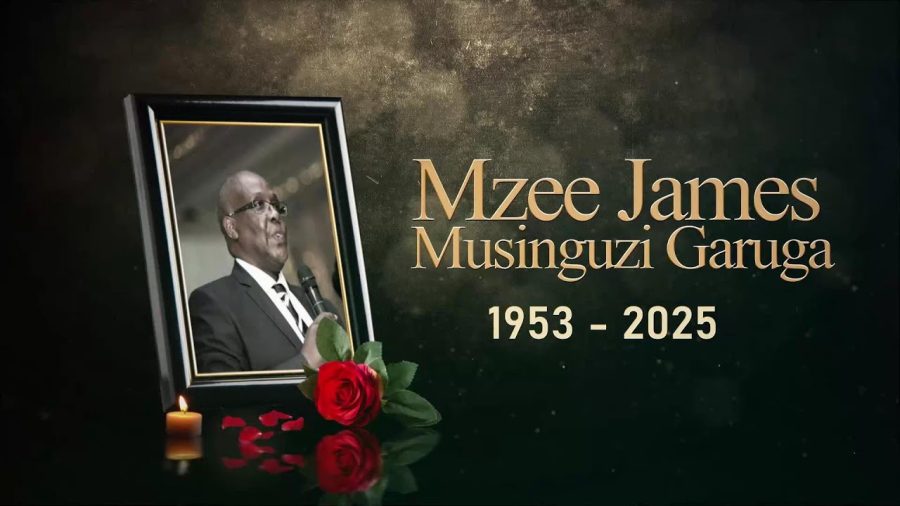
A bitter inheritance battle worth over one trillion Ugandan shillings (about US$260 million) has ignited in the High Court, revealing serious rifts in one of Uganda’s wealthiest families and raising questions about how big family businesses are governed.
The case, filed as Administration Cause No. 1046 of 2025, is between Alwyn Carl Musinguzi, the firstborn son, and his mother, Peace Kesime Musinguzi. They disagree over who should administer the estate of the late James Garuga Musinguzi, a prominent tea magnate, hotel owner, and philanthropist who passed away earlier this year.
Alwyn has lodged a caveat, through his lawyers, to stop his mother from being granted sole letters of administration over the estate. He alleges that she is deliberately undervaluing the estate in legal paperwork, and he insists the actual worth is far above UShs 1 trillion.
In his sworn statement, Alwyn lays out a detailed list of assets, among them:

Prime properties, such as a three-storey mansion on Garuga Close (Mbuya), a sprawling 20-acre country home in Rugyeyo with a 15-bedroom house, and a rental house on Serunkuma Road bringing rental income.

Large tracts of land: over 210 acres under Garuga Properties Ltd in Garuga, around 30 square miles via Incafex Ltd plus ranches in Ngoma and Kyankwanzi, with some land alone valued at tens of billions of shillings.
Agricultural and industrial assets: majority stakes in Kigezi Highland Tea Ltd (four factories located in Kabale, Rukungiri, and Kisoro), shares in Kinkizi Development Co. Ltd, a large maize factory, and two square miles under a project called Kamwenge Community Development Project Ltd.
Hospitality and leisure: Savanna Resort Hotel Ltd — a luxury, 35-acre property with an 18-hole golf course and its own airstrip.
Financial and other miscellaneous assets: cash in banks (some for medical treatment abroad), condominium apartments in Kyambogo, prime plots in areas like Kololo, Najjanankumbi, and Hanlon Road, and shares in media company Kanungu Broadcasting Services Ltd.
Alwyn also argues that all the beneficiaries are old enough and capable of jointly managing the estate, and that Peace Kesime may not be up to the task due to medical issues. Moreover, he claims she didn’t get a Certificate of No Objection from the Administrator General— something legally required before being granted administration powers.
The High Court’s Family Division has yet to schedule a hearing. Observers believe this case could become a key precedent for how Uganda handles succession in huge family enterprises — especially in cases involving real estate, corporations, and agricultural holdings.
Inheritance disputes have become more common in Uganda lately, particularly among families with large landholdings, tea estates, banks, or real estate. Legal experts note this trend underscores how many family businesses still lack clear succession plans.
As one commercial lawyer put it: “This isn’t just a personal fight — it’s a test of governance and accountability.” The outcome is expected to draw attention not only in Uganda, but across East Africa, given the sums involved and the broad kinds of assets at stake.