

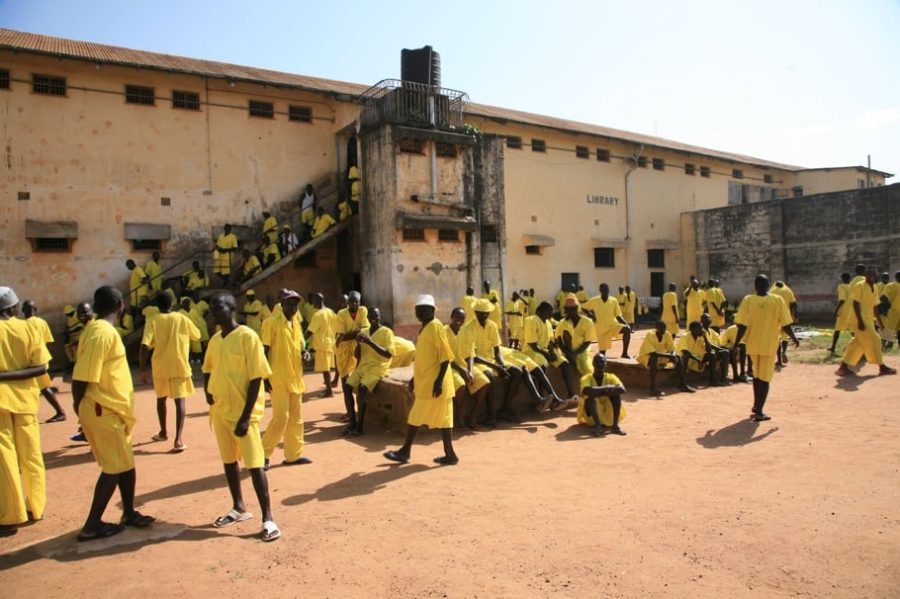
The High Court in Kampala has dealt a significant blow to activists seeking to expand the franchise in Uganda, dismissing a fresh legal attempt to compel the Electoral Commission (EC) to allow prisoners and Ugandans in the diaspora to vote in the upcoming 2026 general elections.
The ruling, delivered by Justice Boniface Wamala, marks a pivotal moment in the ongoing legal debate surrounding the inclusivity of Uganda’s democratic processes.
Background of the Case
The petition was filed by human rights lawyer Steven Kalali, who argued that the continued exclusion of prisoners and citizens living abroad from the voter registration process was a violation of their constitutional rights. Kalali sought a “Mandamus” order—a judicial command—to force the Electoral Commission to create registration centers in prisons and at Ugandan embassies worldwide.

This follows a 2020 landmark ruling where the same court declared that prisoners and Ugandans in the diaspora have a right to vote. However, the implementation of that ruling has remained a point of contention.

Why the Court Threw Out the Bid
In his ruling, Justice Wamala maintained that the current application was misplaced. The court found that the Electoral Commission had not yet “failed” in its duty in a manner that required fresh judicial intervention, noting that the roadmap for the 2026 elections is still in progress.
Key points from the judgment included:
Procedural Grounds: The court observed that the petitioner sought orders that were largely covered by previous judgments, suggesting that the proper channel would be seeking the enforcement of existing orders rather than filing a fresh suit.
Logistical Challenges: While the right to vote is recognized, the court acknowledged the administrative complexities the EC faces in implementing these changes within current budgetary and legal frameworks.
The Implications for 2026
The dismissal means that, as it stands, thousands of Ugandans held in correctional facilities across the country remain unlikely to participate in the 2026 polls. For the diaspora community, the hope of casting ballots from their host countries remains on hold.
Civil society organizations have expressed disappointment, arguing that the delay in implementing the 2020 ruling undermines the principle of universal adult suffrage.
What’s Next?
The Electoral Commission has previously stated that while they recognize the court’s earlier directives, they require specific legislative amendments and additional funding from Parliament to facilitate voting in prisons and abroad.
With the 2026 roadmap already underway, time is running out for the legal and logistical hurdles to be cleared. Legal experts suggest that the petitioner may appeal the decision or seek a different legal avenue to ensure the 2020 ruling is enforced before the next election cycle begins.