


Kampala, Uganda | ENTEBBENEWS.NET | Transport authorities are pushing for tighter regulation of vehicles and drivers transporting schoolchildren, including specialised driver certification, tougher vehicle inspections and increased use of speed cameras, as Uganda grapples with a persistent road safety crisis.
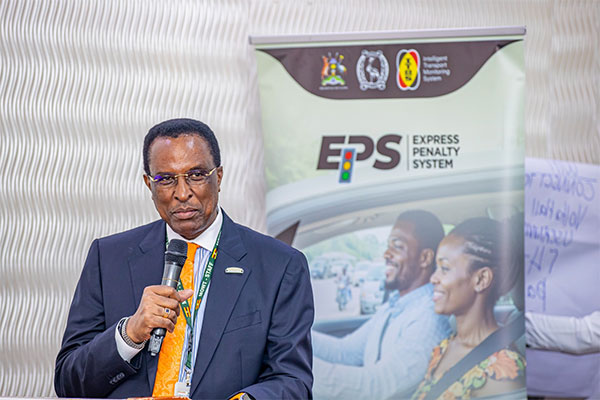
Winstone Katushabe, the Commissioner for Transport Regulation and Safety and Chief Licensing Officer of Motor Vehicles at the Ministry of Works and Transport, said unroadworthy vehicles, overcrowding and inadequate safety features continue to expose learners to danger.

“Unroadworthy vehicles, overcrowding and the lack of basic safety features continue to put schoolchildren at risk on Uganda’s roads. Safer school transport can no longer wait,” Katushabe said.
He was speaking at a multi-stakeholder workshop convened by the Intelligent Transport Monitoring System Uganda, Ministry of Works and Transport, Uganda Professional Drivers’ Network, Police and other stakeholders.

Held under the theme “Safe Tours for a Safe Future: Making School Travel Safe Again,” the meeting is seeking measures to improve the safety of children travelling to and from school through stronger enforcement, safer transport systems and shared responsibility.
The discussions come against the backdrop of Uganda’s worsening road safety burden. The country records more than 25,000 road crashes annually, resulting in roughly 25,800 casualties and between 5,000 and 6,000 deaths — equivalent to about 14 people dying on the roads every day.
Schoolchildren the latest victims
Recent crashes involving schoolchildren have further intensified scrutiny of how learners are transported. In July, 20 pupils and an adult died in a crash involving King David Junior School in Kapchorwa, while several other children were injured. Police have also carried out operations against vehicles found transporting schoolchildren above their licensed passenger capacity.
Katushabe said motorists entrusted with transporting learners should face requirements beyond holding an ordinary driving licence.
“School transport drivers should undergo specialised certification, defensive driving training and regular background checks before being entrusted with learners’ lives,” he said.
He identified speeding, reckless overtaking, distracted driving and unqualified drivers among the biggest threats to children travelling to and from school.
The government is also increasingly looking to technology to improve compliance.
“Smart enforcement using speed cameras and Automatic Number Plate Recognition (ANPR) technology will help identify traffic offenders and improve compliance around school transport,” Katushabe said.
He further called for safer infrastructure around schools, including designated pick-up and drop-off bays, pedestrian crossings and speed humps, alongside enforcement of a 30 km/h speed limit in school and other high-risk zones.
Inspections stepped up
The government has recently intensified inspections of commercial passenger vehicles as part of broader road safety reforms targeting speeding, overloading, driver fatigue and mechanically defective vehicles.
Katushabe said protecting children on the road would require schools, parents, transport operators, drivers and enforcement agencies to take collective responsibility.
“Every child deserves a safe journey to and from school. School transport should be a bridge to education, not a daily risk for learners,” he said.
According to Denis Mugimba, spokesperson of the Ministry of Education and Sports, the government has introduced immediate measures to strengthen learner safety through the basic requirements and minimum standards for schools, which have been issued to school administrators.

All vehicles transporting learners to and from school should have a valid Private Motor Omnibus (PMO) license with IOV certification. School vehicles should be roadworthy, and drivers should hold the appropriate class of valid driving permit for the vehicle they operate.
“Among the immediate measures announced is the suspension of school study trips and tours until further notice, while the Government undertakes broader consultations and develops long-term interventions to prevent the recurrence of incidents involving learners,” Mugimba reiterated.
Police intensify enforcement
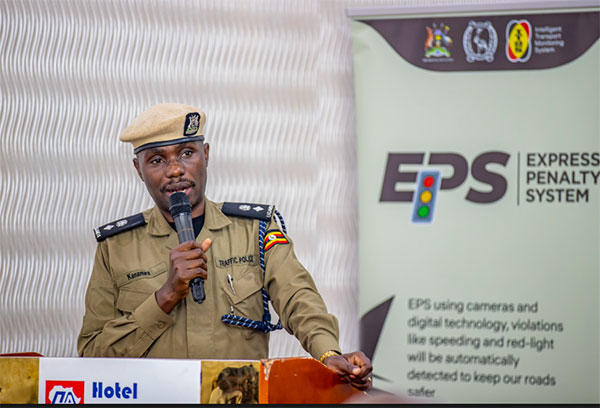
Michael Kananura, Spokesperson of the Traffic Police Directorate, highlighted the serious road safety situation and the increasing number of traffic violations.
He emphasised the need to intensify enforcement operations, with emphasis on route compliance and strengthening the use of smart transport solutions, including the Express Penalty System (EPS), to address traffic indiscipline and improve compliance with road traffic regulations.
“Through our AI-powered technology, EPS can support improved vehicle identification, monitoring and enforcement while providing relevant authorities with better tools to promote compliance and accountability. We therefore believe that the Express Penalty System is what will bring a social behaviour change on the roads for the safety of our school going children,” Steven Turyarugayo, Public Relations Consultant, ITMS project, noted.
The post Uganda pushes tougher school transport rules as road crashes surge appeared first on 1:.