

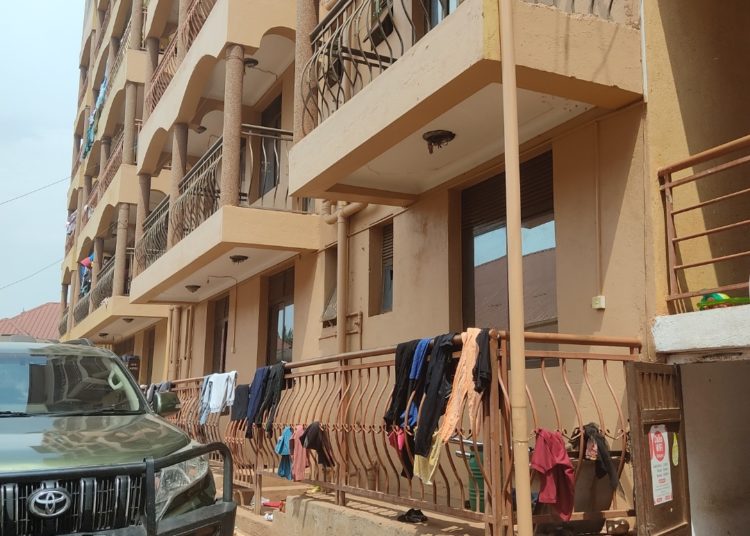
Health experts and community leaders in Uganda are sounding the alarm over the increasing vulnerability of students living in private hostels.
With limited parental supervision and poor regulation, these hostels have become hotspots for risky sexual behavior, substance abuse, and exploitation—factors driving new HIV/Aids infections among the youth.
Hostels as a High-Risk Environment
According to health officials, many students—especially young women—face heightened risks due to financial struggles, limited sexual health awareness, and peer pressure. Ms. Hellen Chebet, a health worker in Kween District, explained that “female students in the hostels are easy targets because they are young, financially vulnerable, and often lack awareness of sexual health risks.”
The Uganda Demographic and Health Survey (UDHS) 2022 revealed that 11.9% of young women had their first sexual encounter before the age of 15, compared to 16.4% of young men. These early exposures, combined with hostel life, increase susceptibility to HIV.

National HIV Trends in Uganda
The Uganda HIV and Aids Factsheet 2025 (covering data up to December 2024) shows:

-
Prevalence rate: 4.9% nationwide.
-
Total infections: 1,527,238 Ugandans living with HIV.
-
Gender distribution: 930,000 women and 570,000 men.
-
New infections in 2024: 37,000 cases.
-
Weekly infections: 711 new cases every week, about 101 per day.
-
Deaths in 2024: 20,000 from Aids-related illnesses.
-
ART coverage: 1.3 million people accessing antiretroviral therapy.
Experts warn that hostels are playing a growing role in sustaining these numbers.
Exploitation and Poor Supervision
Reports indicate some hostels function like lodges, where students cohabit with partners and engage in multiple sexual relationships. Shockingly, hostel gatekeepers are sometimes used to connect men from towns with vulnerable female students. Mr. Robert Wandwasi, HIV/Aids focal person for Mbale District, described how watchmen “act as middlemen,” facilitating transactional sex that exposes students to HIV.
Parents also worry about the lack of oversight. “When children are in hostels, there is little supervision. Some fall into relationships that expose them to HIV without realising the danger,” said Ms. Sarah Namusoke, a parent of a Kampala university student.
Regional HIV Prevalence in Uganda
By the end of 2024, HIV prevalence among people aged 15–49 varied across Uganda’s sub-regions:
-
Acholi – 7.0%
-
Ankole – 6.3%
-
Bukedi – 3.0%
-
Bunyoro – 4.7%
-
Busoga – 3.2%
-
Elgon – 3.0%
-
Kampala – 5.6%
-
Karamoja – 1.4%
-
Kigezi – 4.9%
-
Lango – 5.8%
-
North Buganda – 5.8%
-
South Buganda – 7.5%
-
Teso – 3.3%
-
Toro – 4.9%
-
West Nile – 2.3%
Teenage Pregnancy and Social Challenges
The Teenage Pregnancy Surveillance and Response Intervention showed a decline in teenage pregnancy from 23.6% in mid-2024 to 21.6% by December 2024. Still, experts like Mr. Victor Rwengabo of the Uganda Aids Commission (UAC) highlight that cultural norms, gender inequalities, and poor condom use continue to fuel HIV among young people.
Condom Use and Distribution
In 2024, Uganda distributed over 207 million male condoms, compared to just 132,520 female condoms, signaling limited access to diverse prevention methods. With more than 300,000 students enrolled in tertiary institutions, the risk remains high if preventive efforts are not strengthened.
Calls for Stronger Hostel Regulation
Authorities are pushing for stricter hostel management. Mbale City RCC, Mr. Michael Masaba, noted that private hostels are “partly fuelling HIV infections” and announced plans to meet hostel owners to enforce regulations. Police spokesperson Kituuma Rusoke also highlighted that most hostels rely on untrained watchmen, leaving students exposed to predators and unsafe conditions.
Government Response and Funding
The Joint Annual Review (JAR) Report 2023/2024 revealed that Uganda mobilised UGX 2.3 trillion for HIV/Aids interventions, with UGX 360 billion directly from government and an additional UGX 62 billion mainstreamed across 151 ministries, departments, and agencies.
Despite these efforts, experts stress that without addressing hostel safety, peer education, and parental engagement, Uganda risks reversing the progress made in combating HIV.
Conclusion
Student hostels in Uganda are meant to provide affordable accommodation, but weak regulation has turned many into breeding grounds for HIV/Aids. To protect Uganda’s youth, stakeholders are urging for stricter oversight, awareness campaigns, and increased access to preventive health services. Without urgent action, the rising infection rates among young people could undermine decades of progress in the national fight against HIV.