

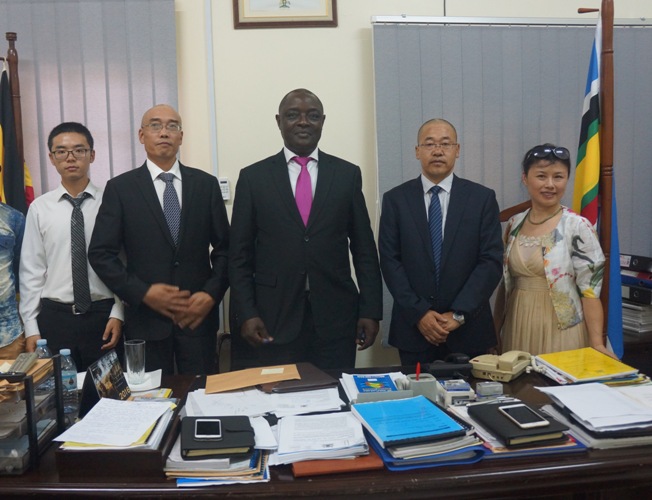
The Chinese Heima energy group is set to inject US$220m in Uganda’s Agricultural sector approximately (Shs 734Bn) in the next five years with a major target of improving the quality of potatoes and cassava for export. A business delegation led by Heima Group CEO QL Baoshan revealed during a closed door meeting with Agriculture State Minister Vincent Sempijja last week at the Ministry offices in Entebbe that they are targeting the two crops (potatoes and cassava) for export to China because they have been tested and ranked number one in the world.
We (Chinese Heima Energy Group) have decided to inject US$220m to boost the production of potatoes and cassava because they have been tested and proved to be the best in the world. We intend to work with local out growers who grow potatoes and cassava on a large scale, Baoshan revealed.

Baoshan also revealed that they intend to invest close to US$150m (approximately Shs 500Bn) into electricity generation and the project will be implemented in greater Masaka.
Apart from investing in Agriculture, we have earmarked US$150m in the production of renewable energy and the project will be implemented in Masaka. We also intend to set up an industrial park to target farmers in the agri-business sector. Our target is to create over 500 jobs to Ugandans both in the Agricultural and renewable energy sector, Baoshan stated.
The state minister for agriculture Vincent Ssempijja re-affirmed government’s commitment to support investors most especially those who want to invest in the agricultural sector adding that a number of people fear to invest in this sector due to the many risks involved. He said that government is encouraging a number of investors to invest in the Agricultural sector since it’s one of the biggest sectors which employs over 80% of the labour force in the country.

He told the delegation that both governments of Uganda and china signed a memorandum of understanding (MOU) under the south to south cooperation to promote and support agricultural investments in Uganda under the food and agriculture organization (FAO) and the program will run for 3 years. Some of the products will be sold locally in the markets in Uganda.