

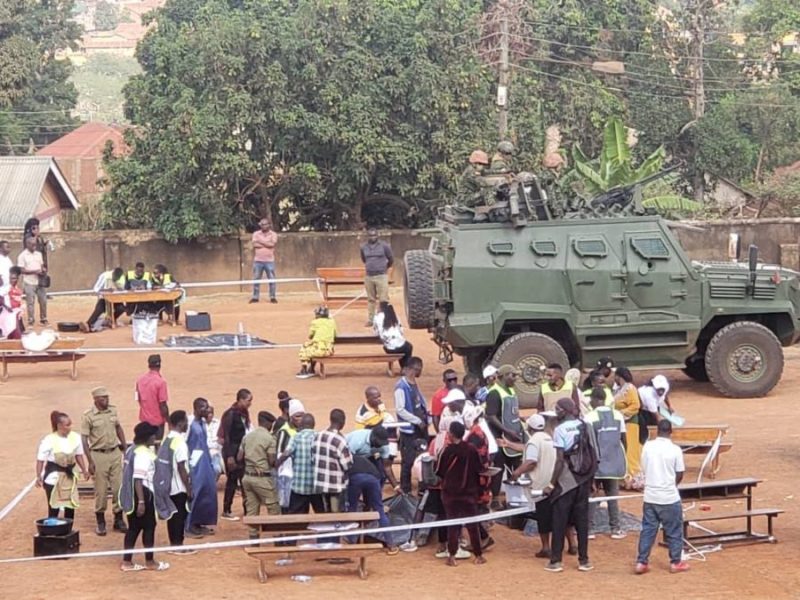
In a startling turn of events that has sent shockwaves through Uganda’s media landscape, Kassambya County MP Daudi Kabanda has made controversial statements regarding the violence that erupted during the Kawempe North by-election.
His comments, suggesting that Ugandans and journalists should be grateful that internet services remain operational, have ignited a fierce debate about press freedom and the relationship between the state and the media in Uganda.
Military Intervention and Media Targeting During Electoral Process
The by-election in Kawempe North became a flashpoint for tensions between security forces and journalists covering the event. Kabanda, who serves as secretary-general of the Patriotic League of Uganda and is known to be a close associate of Chief of Defence Forces General Muhoozi Kainerugaba, defended the military’s aggressive actions during the electoral process.
“The State cannot be the enemy of journalism yet it licenses the media houses that employ the journalists,” Kabanda declared in a post on X (formerly Twitter). His follow-up statement, “You’re lucky that the internet is still on,” has been widely interpreted as a veiled threat regarding potential government restrictions on digital communications.

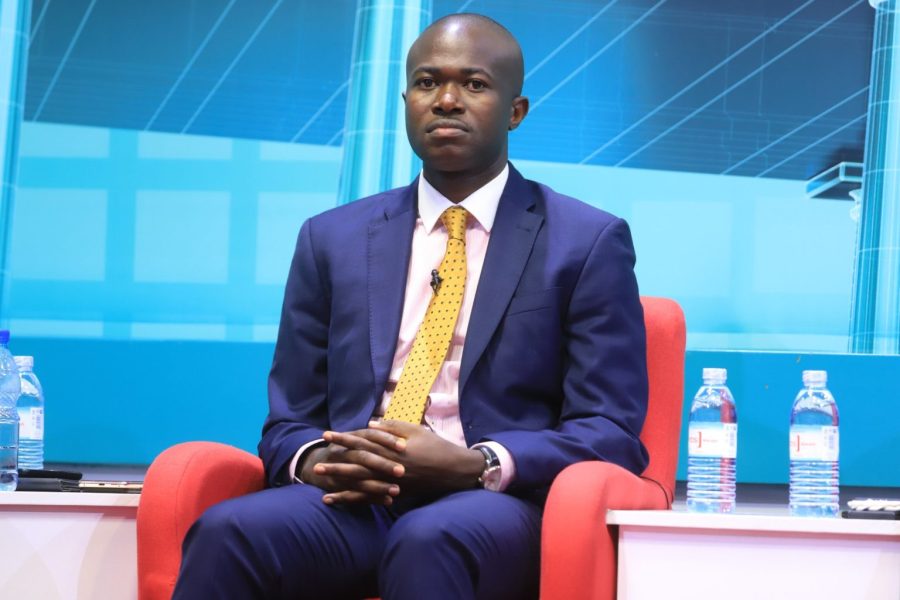
These remarks came in direct response to concerns raised by prominent media figures, including NBS Television’s Simon Kaggwa Njala, who urged fellow journalists to withdraw from covering the increasingly dangerous situation.

Journalists’ Safety Crisis During Electoral Coverage
“Dear colleagues in the media, we can hang in there no more,” Njala posted in a desperate plea to fellow media professionals. “We already have the story. Any further coverage would worsen things. These are the dark days of journalism. The state is number one enemy of journalism. Unfortunately, we are on our own.”
The situation deteriorated rapidly on Thursday when numerous media organizations made the unprecedented decision to halt their coverage of the by-election. This drastic measure came after security forces, primarily military personnel, appeared to deliberately target journalists for physical assault and arbitrary detention.
Documented Cases of Media Persecution
The violence against media professionals was not isolated but appeared systematic and targeted. Among the most severely injured was NBS Television photographer Francis Isano, who suffered significant trauma to his leg during the security forces’ crackdown.
In another disturbing incident, cameraman Hassan Wasswa faced a brutal attack before being taken into custody by security personnel. The widespread nature of these attacks suggests a coordinated effort to suppress media coverage of the electoral process.
Media House Equipment Damaged and Journalists Abducted
Nation Media Group reported a particularly alarming situation where multiple staff members were forcibly taken by security forces. Photographer Abubaker Lubowa, reporter Raymond Tamale, and videographer Dennis Kabugo were all reportedly abducted during the chaotic scenes that unfolded at the polling stations.
Adding to the crisis, several media organizations reported that their equipment had been either confiscated or deliberately damaged by security forces, effectively preventing them from documenting the events taking place during the by-election.
Implications for Press Freedom in Uganda
The violent events witnessed during the Kawempe North by-election have raised profound concerns about the state of press freedom in Uganda. Media houses across the country are now questioning whether they can safely cover politically sensitive events without facing violent repercussions from security forces.
This incident represents a significant escalation in the already tense relationship between Uganda’s government and the fourth estate. The targeting of journalists appears to contradict the government’s official stance on media freedom and raises questions about the country’s commitment to democratic principles.
Political Context and Power Dynamics
MP Kabanda’s close association with General Muhoozi Kainerugaba adds a complex political dimension to the situation. As secretary-general of the Patriotic League of Uganda, Kabanda represents a political faction with significant military connections, highlighting the increasingly blurred lines between political and security institutions in the country.
His suggestion that journalists should be grateful for continued internet access echoes previous instances where the Ugandan government has shut down internet services during politically sensitive periods, most notably during the 2021 general election.
Media Response and Solidarity
The unprecedented decision by multiple media houses to withdraw coverage demonstrates a growing solidarity among press organizations in the face of increasing threats. This collective action represents a significant moment in Uganda’s media landscape, where outlets have traditionally competed fiercely for coverage of major political events.
The question now facing Uganda’s media community is how to balance their professional obligation to report on matters of public interest with the very real threats to their physical safety and freedom.
International Attention and Calls for Accountability
The violent suppression of media coverage during the Kawempe North by-election is likely to draw international attention to Uganda’s deteriorating press freedom situation. Media rights organizations worldwide have consistently raised concerns about the treatment of journalists in Uganda, and this latest incident provides concrete evidence of the challenges they face.
As calls for accountability grow louder, the Ugandan government faces increasing pressure to address these violations and ensure that journalists can perform their essential democratic function without fear of violent reprisal.
The clash between security forces and media during the Kawempe North by-election represents a critical juncture for press freedom in Uganda. MP Kabanda’s controversial statements have only intensified the debate about the role of media in the country’s democratic processes and the government’s willingness to tolerate independent reporting on politically sensitive issues.