

As continental leaders gather in Bahir Dar, Kiryowa Kiwanuka challenges conventional development metrics and calls for local value addition, warning that raw material exports bleed the continent dry

BAHIR DAR, Ethiopia | ENTEBBENEWS.NET | Uganda’s Minister of Defence, Kiryowa Kiwanuka, has issued a firm call for African nations to retain and process their natural resources within the continent, arguing that decades of raw material exports have robbed citizens of real wealth and kept Africa dependent on external markets.
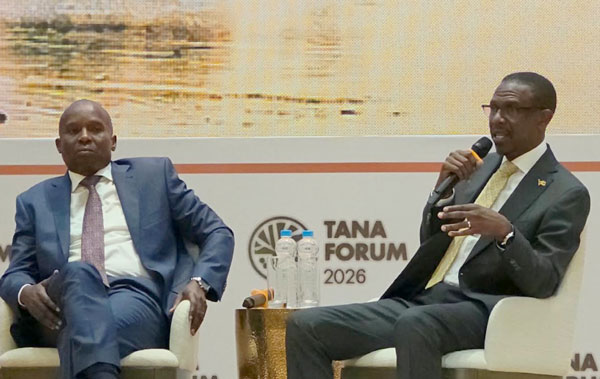
Representing President Yoweri Kaguta Museveni at the 12th Tana High-Level Forum on Security in Africa in Bahir Dar, Ethiopia, Kiwanuka told a high-level panel that the continent’s development trajectory must be measured not by infrastructure built but by wealth created for individual citizens.
“Development must lead to individual wealth creation, not just infrastructure,” Kiwanuka said during the panel session titled “From the Margins to the Centre: Building an African Model for Peace and Sovereignty in an Age of Geopolitical Rivalry.”

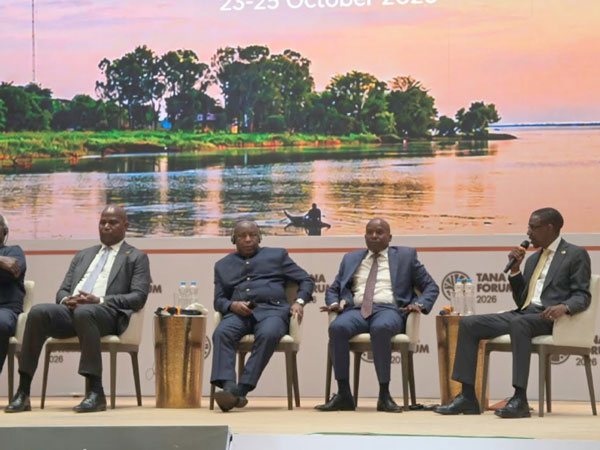
The session, moderated by Getachew Reda, Advisor to the Ethiopian Prime Minister on East African Affairs, brought together President Évariste Ndayishimiye of Burundi, President Daniel Francisco Chapo of Mozambique, Deputy President Professor Kithure Kindiki of Kenya, and former Sierra Leone President Ernest Bai Koroma.
Kiwanuka, who represented President Museveni at the three-day summit October 23 to 25, 2026, strongly advocated for patriotism and keeping Africa’s wealth at home to serve local needs rather than global markets.
“We must prioritize local value addition and stop the loss of value through raw material exports,” he urged, citing the historical inefficiency of Uganda’s copper industry, which exported raw materials only to re-import them for domestic use.
“Africa’s internal markets are sufficient to absorb its resources. Retaining and processing these resources within the continent is crucial for translating development into real wealth for our citizens and reducing dependency on external markets,” Kiwanuka added.
The Ugandan minister’s remarks resonated with the forum’s broader theme, which framed security not merely as military stability but as economic sovereignty. Panelists debated methods to build an integrated continental market and digital ecosystem capable of expanding local opportunities while shielding African nations from external technological dependence, cyber threats, and cross-border illicit economies.
Reflecting on Uganda’s strategic shift, the panel concluded that national resource policies must be reinforced by synchronized regional interventions to achieve a lasting continental impact. Kiwanuka’s example of Uganda’s copper industry — where raw ore was shipped abroad only to return as finished goods at premium prices — served as a cautionary tale for leaders grappling with how to convert resource endowments into sustained prosperity.
For Uganda, Kiwanuka’s participation signaled a continued push for economic nationalism within a regional framework — a message that President Museveni has championed for decades. The minister’s challenge to conventional development metrics now adds Uganda’s voice to a growing continental consensus: that Africa’s peace and prosperity depend on how effectively it processes, retains, and reinvests its own resources.
Multiple routes to the market
The forum, held under the traditional African proverb that “there are multiple routes to the market,” emphasized that lasting peace cannot be achieved through a single approach. Security experts and state leaders argued that economic policy and peace policy must no longer be treated as separate agendas but as mutually reinforcing fields. Deliberations highlighted how external dependencies, debt vulnerabilities, and global value chain imbalances act as direct structural drivers of conflict by undermining state legitimacy and public welfare.
The 12th Tana High-Level Forum on Security in Africa officially opened in the lakeside city of Bahir Dar, Ethiopia, successfully establishing a progressive framework for sustainable peace across the continent by linking national security directly to economic sovereignty and geopolitical transformation. The high-level assembly gathered African heads of state and government, ministers, and key security stakeholders to address resource governance, digital infrastructure, and institutional independence.
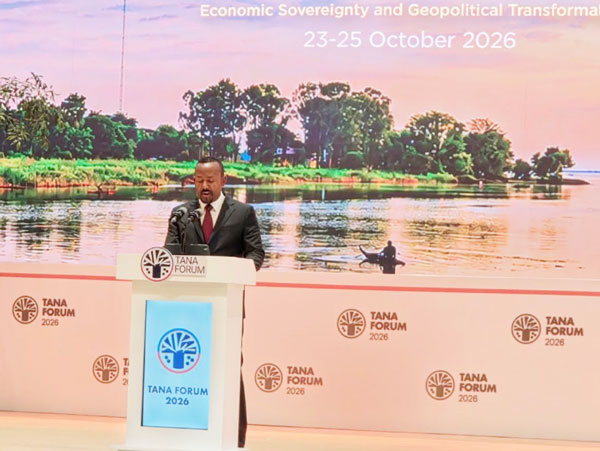
Ethiopian Prime Minister Abiy Ahmed opened the forum with a call for African ownership, emphasizing the need for “the authority, responsibility, and predictable funding for continental initiatives.” He linked continental stability directly to African-led mediation and the strict honoring of peace agreements, while highlighting Ethiopia’s energy advancements, including the Grand Ethiopian Renaissance Dam and active electricity exports to Kenya, Sudan, Djibouti, and Tanzania.
As global rivalries intensify, the 12th Tana Forum grounded the continent’s leaders and policy influencers with a unified call to reinforce regional integration and strengthen the financial and operational autonomy of African institutions, ensuring the continent shapes its own sovereign and peaceful future.
The post Uganda’s Defence Minister Tells Tana Forum: Keep Africa’s wealth at home appeared first on 1:.