

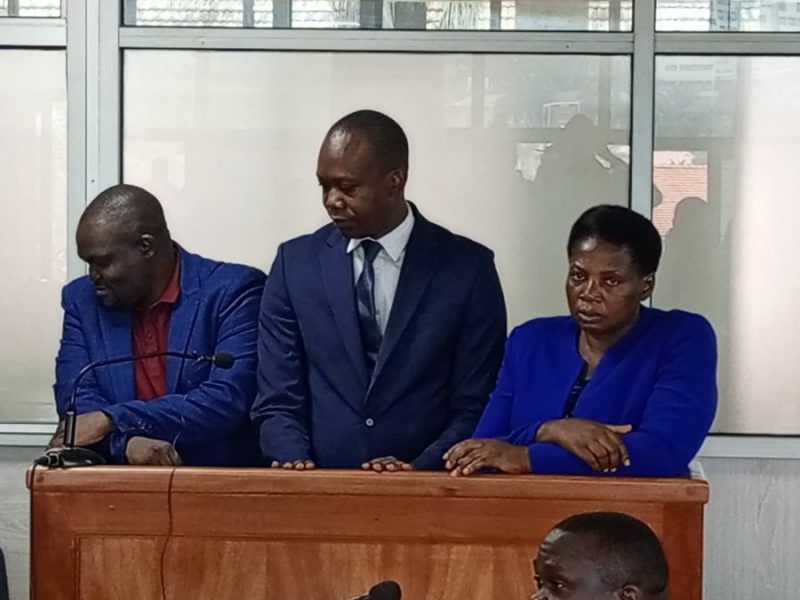
The Uganda Law Society (ULS) has issued a scathing condemnation regarding the sudden and unexplained withdrawal of corruption charges against several high-profile Members of Parliament belonging to the ruling National Resistance Movement (NRM).
In a press statement released on January 7, 2026, the ULS described the move as a “significant blow to the rule of law” and a “dangerous precedent” that undermines the country’s fight against institutionalized graft.
Key Highlights:
-
The Accusation: ULS alleges the Director of Public Prosecutions (DPP) acted “arbitrarily” in dropping charges against lawmakers accused of embezzlement and bribery.
-
Judicial Independence: Legal experts warn that the executive branch is exerting undue influence over the judiciary ahead of the 2026 General Elections.

-
Public Accountability: The Law Society is demanding a transparent explanation for the withdrawals, citing a lack of new evidence to justify the termination of the cases.
A Setback in the War on Corruption
For months, the Ugandan public has followed the cases of several NRM legislators linked to the misappropriation of public funds. However, the recent decision to enter a nolle prosequi (discontinuation of proceedings) has left the legal fraternity and civil society in shock.
The Uganda Law Society, led by President Isaac Ssemakadde, argues that these withdrawals appear politically motivated.
“The arbitrary withdrawal of charges against persons in positions of power suggests a two-tiered justice system,” the statement read. “One for the politically connected, and another for the ordinary Ugandan. This erosion of judicial integrity cannot be ignored.”

Erosion of Public Trust
The ULS emphasized that the DPP’s office is constitutionally mandated to act in the public interest. By dropping these high-stakes corruption cases without a clear justification, the Law Society claims the state is effectively shielding “big fish” from accountability.
The timing of these withdrawals is particularly sensitive, as Uganda prepares for the 2026 General Elections. Critics suggest that the NRM is consolidating its ranks by ensuring its influential members remain free from legal encumbrances that could disqualify them from seeking re-election.
Calls for Transparency and Reform
In response to these developments, the Uganda Law Society has called for:
-
A Formal Review: An independent audit of the DPP’s decision-making process in high-level corruption cases.
-
Judicial Autonomy: Legislative safeguards to prevent executive interference in the prosecution of public officials.
-
Citizen Vigilance: Encouraging Ugandans to demand accountability from their representatives, regardless of political affiliation.
“Justice must not only be done but must be seen to be done,” the ULS statement concluded. “If the law is selectively applied to protect the ruling class, the very foundation of our democracy is at risk.”