

The near-term macroeconomic outlook foresees sustained recovery driving GDP growth from 4.7% in FY 2021/22 to 5.5% in financial year
Kampala, Uganda | ENTEBBENEWS.NET | As the shock of the COVID-19 pandemic recedes, Uganda is returning to its pre-pandemic path to growth, with economic recovery boosted by the strong performance of the services and industrial sectors, buoyant private consumption, and an uptick in private investment.

The 20th edition of the Uganda Economic Update (UEU): Unlocking the Benefits of the African Continental Free Trade Area and Regional Integration, a twice-yearly analysis of Uganda’s near-term macroeconomic outlook, foresees sustained recovery driving real Gross Domestic Product (GDP) growth to 5.5% during fiscal year 2022/23 from 4.7% in fiscal year 2021/22, not very different from the forecast in June 2022.
This broad-based recovery started at the beginning of the year and accelerated throughout 2022. The medium-term outlook also remains broadly positive, hinged on continued implementation of the government’s Third National Development Plan (NDP III) and full recovery of global trade.
“The success of the NDP III rests on the government’s creation of an enabling environment for the private sector to invest and grow in, by establishing a sound business climate and investing in workforce skills. As Uganda takes advantages of the high commodity prices, stronger exports strengthen its prospects for economic growth,” said Mukami Kariuki, World Bank Country Manager for Uganda.
“Fiscal spending, aimed at easing constraints on growth—including investments in energy and transport infrastructure—should help revive private investment, boost agricultural production, and energize the light manufacturing sector.”

The UEU takes note of the risks to the positive medium-term outlook. These include more outbreaks of disease, such as COVID-19 and Ebola, and related mobility restrictions; commodity price shocks; the tightening of monetary policies in advanced and emerging markets to counter inflationary pressures, posing challenges for the Bank of Uganda and undermining debt sustainability; a protracted war in Ukraine; and adverse weather due to climate change.
To counter these shocks and improve the welfare of households only recently recovered from the COVID-19 crisis, and to maintain the trajectory of socioeconomic transformation, the report urges the government to focus on (i) adopting targeted intervention measures to support vulnerable households to arrest the increase in poverty and food insecurity; and (ii) prudently manage fiscal policy (the use of government spending and taxation to influence the economy) to maintain fiscal and debt sustainability.
The UEU notes that harnessing regional trade is a key and sustainable way for Uganda to deepen growth and achieve the ambitions of Vision 2040 to transform Ugandan society from a peasant farming economy to a modern and prosperous country.
“Policymakers must now focus on implementing policies designed to maximize the potential of regional trade. The government has made only limited progress since 2013, when the first Uganda Economic Update encouraged the country to think strategically and work to boost trade beyond the East African Community by increasing agricultural exports, diversifying into a wider range of manufactured goods, and fostering the growth of service exports including tourism, education, transport and logistics, and professional services,” said Sashana Whyte, World Bank Senior Economist and lead author of the current Uganda Economic Update.
“This edition of the Uganda Economic Update revisits the country’s approach to trade integration in the context of the African Continental Free Trade Area, the AfCFTA.”
The report says that, to benefit fully from the AfCFTA, Uganda needs to overcome hurdles that have long weakened the effectiveness of its existing regional arrangements.
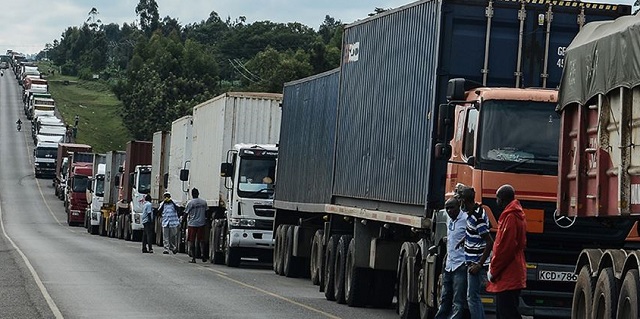
Non tax barriers such as discriminatory technical regulations, non-harmonized sanitary and phytosanitary requirements, and complex rules of origin continue to limit trade.
The AfCFTA offers an opportunity for Uganda to accelerate regional integration by lowering trade related taxes, eliminating non-tax barriers, and implementing other trade-facilitation measures— measures which could boost Uganda’s GDP by about 3.3% by 2035.