

Kampala, Uganda | URN | Experts have advised Ugandans and the government in particular to control spending and reprioritise expenditure, as the uncertainty of an end to the Middle East crisis grows.
At the beginning of the US/Israeli war on Iran mid-February, indications based especially on the statements by the US President were that the war would not take long and that the effects on the global economy would be short-lived.
However, close to ten weeks later, there is no end in sight for the conflict as attacks on Iran and Iran’s counter attacks on neighbouring countries continue sporadically, further delaying or slowing down the transportation especially on petroleum products from the region.

Under the circumstances, experts say there could be longer term effects, not only due to disruption of the petroleum supply chain as almost 30% of the world’s oil comes from that region, but also fertilisers and remittances, among others.
It is said too, that 17% of total natural gas comes from the Middle East and 15% of investments in the global oil ad gas, just like 13 percent of chemicals including fertilisers and 10 percent of vital metals like aluminum.

Francis Mwesigye, Chief Economist at Uganda Development Bank says one of the longer-lasting effects from the current high fuel prices will be rising cost of production especially for micro, small and medium enterprises, mainly in rural areas and those who rely much on diesel or petrol.
In the end, he fears, that these will lead to high cost of living as the cost of production is transferred onto the consumers.
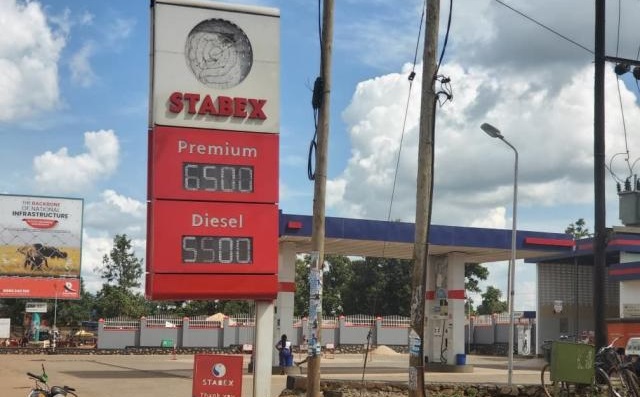
Fuel prices in Kampala now range between 5,440 shillings and 5,900 shillings per litre of petrol, and 5,200 and 5,400 for diesel, an increase of about 10% from the February prices. In the countryside, the prices are much higher.
In some countries like the US, prices have risen by between 50 and 100 percent.
Unfortunately, Dr Mwesigye says, the food sector could be hit more due to the effects on production and transportation costs, which will in turn lead to effects on people’s personal incomes as a big chunk of these go to consumption, according to research, which could in turn lead to a new rise in poverty levels.
The World Bank warns developing country growth could fall to 3.65 percent in 2026 (from a previous projection of 4 percent) or lower if the conflict continues.
More than 30 countries in Sub-Saharan Africa have seen their growth forecasts downgraded already, especially those that heavily import petroleum products and those which rely on agriculture, as high fertiliser products could affect fertiliser use and therefore the yield.
Joseph Mawejje, an Economist in the World Bank’s Prospects Group, says this will not only affect household incomes, but food security and agricultural exports too.
Another worry is the likely effect on workers remittances. Currently, official records show that Uganda receives about 1.5 billion US dollars from its citizens working abroad, with about a third of this coming from the Middle East where between 300,000 and half a million Ugandans are.
These have not only been vital for supporting families back home, but also for boosting investment. Mawejje says if the conflict escalates, there will be effects on the vulnerability of many Ugandans who directly rely on remittances especially in times of shocks.
Mawejje commends the government on how it had until now, managed the economy, with positive growth, low inflation, growing foreign exchange reserves and a strong foreign exchange. This could be reversed if the situation persists.
Even as Uganda expects to start producing and export oil soon, Mawejje advises that the country should have a cushion mechanism for the most vulnerable communities for times like the current global shocks, but also enhance prudential spending and reduce revenue leakages like corruption, among others.
UDB’s Mwesigye also says that the current global shocks, especially those that disrupt the supply chains should be a lesson to African countries to open up amongst themselves on top of increasing production.
This would shield the countries from shortages and high commodity prices if they started trading amongst themselves more.
The post Gov’t advised to spend wisely amid uncertainty of Middle East conflict appeared first on 1:.