

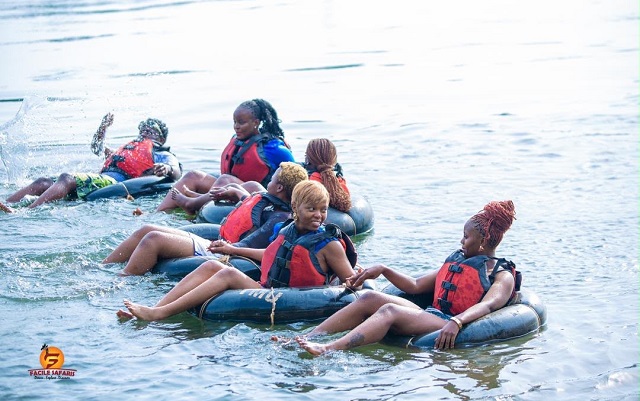
Kampala, Uganda | ENTEBBENEWS.NET | As travellers move away from standard package holidays and towards tailored, experience-led trips, one of Uganda’s longer- running tour operators says it is adapting to keep pace.
Facile Safaris, based in Uganda, has been operating for nearly 20 years. It now arranges trips in Uganda, Kenya, Rwanda and Tanzania, a footprint that reflects growing demand for multi- country East African itineraries.

The global tourism industry is still recovering and reshaping itself. Visitors increasingly want flexibility, privacy and trips built around their own interests, schedules and budgets rather than fixed group tours. Operators have responded by investing in digital communication, destination knowledge and customer service.
Longevity counts for something in that environment, industry observers say. Firms that survive for long periods tend to be those that adjust to changing preferences, hold their service standards and keep relationships with clients, hotels and conservation partners.
Uganda is known internationally for its mountain gorillas, chimpanzee tracking, birdlife, national parks and cultural heritage. Facile Safaris takes visitors to Bwindi Impenetrable National Park, Queen Elizabeth National Park, Murchison Falls National Park, Kibale Forest and Lake Bunyonyi, among other sites.

The country’s profile has risen steadily over the past decade, with visitors arriving from Europe, North America, Asia and elsewhere in Africa. Industry experts say continued investment in infrastructure, destination marketing and professional tour operations will be needed to sustain that momentum.
Social media now shapes how travellers find destinations and choose operators. Facile Safaris maintains an active presence on several platforms, posting wildlife photography, cultural highlights and traveller testimonials to reach regional and international audiences. Tourism analysts increasingly treat digital engagement as a key part of destination marketing.

The wider economic effect is significant. A single organised safari draws on lodges, drivers, guides, restaurants, artisans and community enterprises, spreading income well beyond the operator. Tourism revenue also helps fund national parks and protected forests, which depend on it for conservation work, park management and community engagement. Responsible operators, observers say, help by encouraging sustainable visitation and teaching travellers to respect protected areas.
With interest in Africa as a destination rising, established regional firms are expected to benefit. Facile Safaris describes itself as part of a newer generation of Ugandan tourism businesses combining local knowledge with international service standards.