

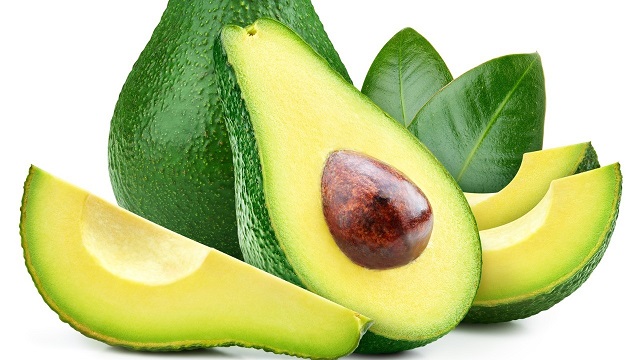
Avocados are rich in fiber, antioxidants, and healthy fats that can support metabolic health and insulin sensitivity
ANALYSIS | AGENCIES | A new study suggests avocado consumption may significantly reduce diabetes risk, particularly among women.

Experts recommend a balanced and diverse diet rather than overemphasising specific foods for diabetes prevention. However, including avocados can be a healthy choice.
New research published in the Journal of the Academy of Nutrition and Dietetics suggests a potential association between avocado consumption and diabetes risk among Mexican adults.
Diabetes is the second leading cause of death in Mexico, affecting around 15.2% of adults (12.8 million).
To investigate the relationship between avocado consumption and diabetes risk, researchers studied mostly self-reported dietary habits and diabetes diagnosis information from survey responses of a portion of the Mexican population. The majority of these respondents were classified as having overweight or obesity.

The results showed that women who consumed avocados were less likely to develop diabetes than those who did not eat them. This connection, however, was not observed in men.
Eating avocado tied to lower diabetes risk in women
Among the participants, about 45% reported consuming avocados, with average daily intakes of 34.7 grams (g) for men and 29.8 g for women.
Those who ate avocados generally had higher levels of education and belonged to a higher socioeconomic class than those who did not consume avocados.
Additionally, over three-quarters of avocado consumers resided in urban areas.
Across both genders, avocado eaters also tended to have slightly higher scores on the healthy eating index, indicating a somewhat more nutritious diet overall.
These findings suggest that individuals who consumed avocados likely had greater access to and resources for healthier food options. It is important to note, however, that the study’s adjusted models considered and accounted for these factors.
In women, avocado consumers showed a 22% and 29% lower risk of developing diabetes in unadjusted and adjusted models, respectively. However, this protective effect of avocado consumption was not observed in men.
This relationship remained consistent when laboratory-confirmed diabetes diagnoses were used instead of self-reported diagnoses.
How might avocados contribute to lower diabetes risk?
Medical News Today spoke with Avantika Waring, MD, a board-certified physician in endocrinology, diabetes, and metabolism, and chief medical officer at 9amHealth, not involved in the study, about how avocados may reduce diabetes risk among women.
Waring explained: “There are a few potential ways that avocado consumption could lower risk of diabetes in women, including the presence of antioxidants which can reduce inflammation and cellular damage that would otherwise increase the risk of conditions like diabetes. Avocados, being high in fat and fiber, also have a low glycemic index, and therefore don’t promote spikes in glucose and the resulting rise in insulin levels that are metabolically unfavorable.”
She pointed out, though, that these mechanisms are speculative, and suggested that the high fiber and healthy fats in avocados could also promote fullness, subsequently decreasing the intake of less nutritious foods.
Thomas M. Holland, MD, MS, physician-scientist at the RUSH Institute for Healthy Aging, Rush University System for Health, not involved in the study said it remains a challenge to precisely determine why the association was observed only in women and not in men.
He proposed that various factors might influence the disease course in women, including sex differences in diabetes that are related to hormonal changes across the lifespan, genetic and environmental factors, and psychosocial stressors that uniquely impact women’s diabetes risk.
Waring concurred, emphasizing the significant hormonal shifts women experience during key life stages. “During pregnancy, women become more insulin resistant for example, and during menopause as estrogen levels drop, body fat patterns change in women that can result in a higher risk of diabetes,” she said.
Ultimately, it is unclear what caused the sex differences in avocado consumption’s impact on diabetes risk in this study, highlighting the need for further research on sex-specific dietary interventions and personalized nutrition recommendations.