

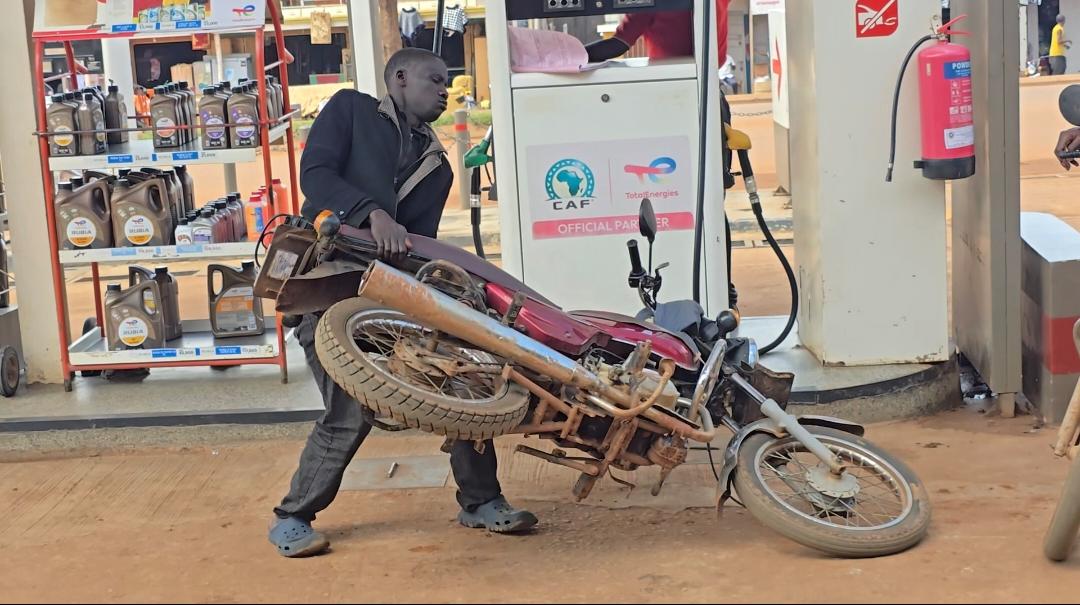
The Government of Uganda has officially warned motorists and businesses to prepare for a rise in fuel pump prices starting in May 2026.
The announcement comes as the domestic market begins to absorb the impact of rising global crude oil rates. During a press briefing, Energy Minister Ruth Nankabirwa explained that while Uganda has been utilizing fuel procured at lower historical rates, the next cycle of imports will reflect the current international market volatility.
The Global Factor: Crude Oil at $120 Per Barrel
Minister Nankabirwa highlighted a significant shift in the global energy landscape that is now reaching Ugandan soil.
-
Price Surge: International crude prices jumped from $65 per barrel in February to approximately $120 by March.

-
The “May Impact”: As new shipments purchased at these higher rates enter the domestic supply chain, pump prices will adjust accordingly.
“No Fuel Shortage”: National Stocks Remain Robust
Despite the price warnings, the government was quick to dismiss rumors of a national fuel shortage. Nankabirwa assured the public that the Uganda National Oil Company (UNOC), in partnership with global trader Vitol, has secured sufficient reserves.
Current National Fuel Reserve Status:

-
Petrol Cover: 67 days of supply.
-
Diesel Cover: 84 days of supply.
-
Recent Imports: 119 million liters of petrol recently arrived via the Mombasa route.
Addressing Localized Scarcity and “Hoarding”
The Minister clarified that recent stock-outs at specific petrol stations are not a sign of national depletion but rather logistical challenges within individual supply chains. Furthermore, the government identified several factors driving localized price variations:
-
Speculative Pricing: Some dealers are hiking prices prematurely.
-
Illicit Cross-Border Trade: High demand in neighboring districts leading to unauthorized outflows.
-
Hoarding: Artificial scarcity created by vendors anticipating the May price hike.
“Our systems are functioning effectively, our stock levels are adequate, and our forward planning is robust. We urge the public to avoid panic buying,” Nankabirwa emphasized.
Enforcement and Monitoring
To protect consumers from exploitation, the Ministry of Energy has deployed enforcement teams to monitor filling stations. These teams are tasked with ensuring compliance with fair pricing and penalizing dealers engaged in hoarding or speculative price fixing.