

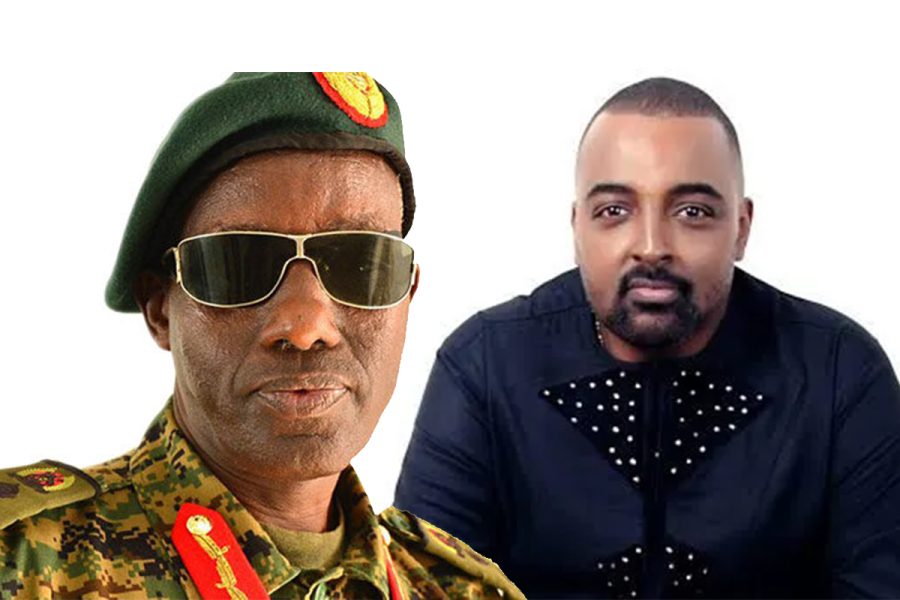
In Uganda, a disturbing phenomenon has recently emerged: the celebration of the demise or death of individuals associated with the ruling National Resistance Movement (NRM) government.
While such reactions may seem shocking or unfeeling to outsiders, they are often a deeply rooted expression of profound frustration, disillusionment, and a cry for justice from segments of the population, particularly within the opposition.
This article explores the complex factors contributing to this somber reality, providing examples to illustrate the underlying sentiments.
The Weight of Unwarranted Arrests, Abductions, and Torture
One of the most significant drivers of public resentment, leading some to find grim satisfaction in the passing of government-aligned figures, is the pervasive issue of unwarranted arrests, abductions, torture, and illegal detention of opposition members and critics.

Numerous reports from human rights organizations like Human Rights Watch and Amnesty International have consistently documented widespread abuses by Ugandan security forces. These include:

- Arbitrary Arrests and Detentions: Opposition leaders, activists, and even ordinary citizens perceived as critical of the government are frequently arrested without due process, often held for prolonged periods beyond the constitutionally mandated 48 hours without charge or trial.
- Enforced Disappearances: There have been numerous documented cases of individuals being abducted by security forces, often in unmarked vehicles colloquially known as “drones,” with their whereabouts remaining unknown to their families for extended periods. This creates immense anguish and fear within communities.
- Torture and Ill-treatment: Accounts from former detainees reveal a horrific pattern of torture and ill-treatment, including severe beatings, electric shocks, injections of unknown substances, and even sexual violence. These abuses often occur in unauthorized “safe houses” or makeshift detention centers, outside the purview of legal oversight.
Examples of such abuses are plentiful:
- Reports frequently highlight how security agencies like the Internal Security Organization (ISO) and the Uganda People’s Defence Force (UPDF) have been implicated in these abuses.
- During election periods, especially, the crackdown on opposition figures intensifies, with mass arrests and violent dispersal of peaceful assemblies becoming common. The November 2020 protests, which saw at least 54 people shot dead by security forces in response to the arrest of then-presidential candidate Robert Kyagulanyi (Bobi Wine), are a stark reminder of the state’s willingness to use lethal force against dissent.
- Many opposition supporters and leaders arrested during campaign periods have reported being subjected to torture while in detention.
When individuals associated with a system perceived to be responsible for such egregious human rights violations pass away, some of those who have suffered or witnessed these abuses may view it as a form of divine retribution or a symbolic end to a chapter of oppression.
It is a desperate expression of powerlessness and a yearning for accountability that they feel is denied in life.
Deep-Seated Discontent and Perceived Impunity
Beyond the direct human rights abuses, other factors contribute to this unsettling phenomenon:
- Corruption and Impunity: Widespread corruption within government institutions and a perceived lack of accountability for those in power fuel public anger. When officials are seen to enrich themselves while the majority struggle, their deaths can be met with schadenfreude as people feel that justice, even in its most tragic form, has been served.
- Suppression of Dissent and Limited Political Space: The political landscape in Uganda is often described as restrictive, with limited space for genuine opposition and free expression. Laws like the Public Order Management Act have been criticized for being used to arbitrarily disperse opposition gatherings. This suppression of democratic avenues for change can lead to bottled-up frustration that manifests in extreme ways.
- Economic Hardship: High levels of unemployment, poverty, and income inequality, often blamed on government policies and corruption, exacerbate the sense of hopelessness. For many young Ugandans, the future appears bleak, and the ruling elite are seen as detached from their struggles.
The “Elly Tumwine and Cedric Babu” Examples
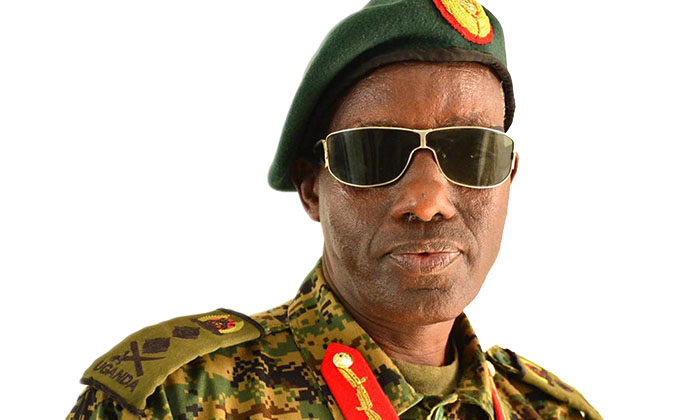
A notable instance that brought this issue to the forefront was the death of former Security Minister and army commander General Elly Tumwine. Following his passing, there were reports and social media posts indicating that some Ugandans, particularly those aligned with the opposition, celebrated his death. President Museveni himself acknowledged these celebrations, though he condemned them.
A few days ago, Cedric Babu Ndilima, a son to Captain Francis Babu also died and many Ugandans on social media were seen celebrating. This is because his parents are long time National Resistance Movement (NRM) members, Cedric was also a member of the PLU organization led by first son General Kainerugaba Muhoozi, who has in the past weeks been advocating for arrests, detantion and torture of opposition figures especially in Robert Ssentamu Kyagulanyi aka Bobi Wine s party, the National Unity Platform (NUP)

While it is crucial to emphasize that such reactions do not represent the entire Ugandan population and are often condemned by religious and traditional leaders, they serve as a potent indicator of the deep fissures within society. These celebrations are less about the individual per se and more about the perceived symbolism of their association with a system that many feel has inflicted immense suffering.
A Call for Introspection
The celebration of death, while morally fraught, acts as a stark warning. It is a desperate, albeit controversial, symptom of a society grappling with profound grievances, a lack of trust in institutions, and a yearning for accountability and justice.
For Uganda to move towards genuine national healing and unity, addressing the root causes of this bitterness – particularly the issues of unwarranted arrests, abductions, torture, and impunity – is paramount.
Without meaningful reforms and a demonstrable commitment to human rights and rule of law, these tragic expressions of dissent are likely to persist.