

When undergoing treatment for injuries sustained during a crash or accident, you’re often immobile
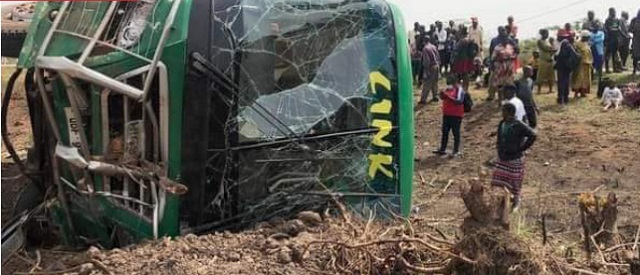
Kampala, Uganda | HENRY DDUNGU | High rates of road accidents are a devastatingly common issue across Africa which records the highest number of road traffic incidents in the world, every year.
The WHO has ranked Uganda among the countries with the highest traffic death rates, estimated at 29 car deaths per 100,000 people. According to the Uganda Police Force (UPF) Annual Report of 2022, there were 20,394 road traffic crashes in 2022 compared to 17,443 in 2021 and 12,249 in 2020.

In Kenya last year, at least 21,760 people were involved in road accidents last year, and 4,690 died, according to figures from the National Transport and Safety Authority (NTSA).
Globally, crash injuries are estimated to be the eighth leading cause of death for all age groups and the leading cause of death for children and young people 5–29 years of age.
While these statistics are concerning, the lesser-known fallout that one can experience from being involved in a road accident comes as a result of prolonged hospitalisation.

But how can being taken care of in hospital lead to any negative outcomes?
When undergoing treatment for injuries sustained during a crash or accident, you’re often immobile for a significant period of time and this can increase one’s risk of developing thrombosis, or blood clots. Additionally, people who experience blood vessel trauma due to surgery or because of injuries from a road incident, are more likely to develop blood clots.
Blood clotting is a natural occurrence in our bodies as they stop the blood flow from a cut or injury. But when clots develop unnecessarily, they can become life-threatening. A clot can slow or block normal blood flow, and even break loose and travel to an organ, which can cause a heart attack, stroke, or venous thromboembolism (VTE) — the top three cardiovascular killers.
According to World Thrombosis Day (WTD), a global movement which aims to increase global awareness of thrombosis, more people succumb to life-threatening conditions caused by thrombosis than the total number of people who lose their lives to AIDS, breast cancer, and car crashes combined and being in the hospital is a major risk factor for the development of venous thromboembolism (VTE).
VTE is a dangerous and potentially deadly medical condition in which a blood clot forms most often in the deep veins of the leg, groin or arm known as deep vein thrombosis (DVT) and travels in the circulatory system, lodging in the lungs known as a pulmonary embolism (PE).
According to data from WTD, up to 60% of all VTE cases occur during or within 90 days of hospitalisation making it a leading cause of preventable hospital death.
Understanding VTE risk
Because VTE can occur without any warning signs or symptoms and can go unrecognised and undiagnosed by healthcare professionals, it is important that hospitals conduct a VTE risk assessment on patients who have been involved in road accidents. This is a simple tool or questionnaire that gathers critical information of a patient to determine their risk of developing dangerous blood clots in the legs or lungs.
It’s crucial to note in any VTE assessment that road accident patients who have, or will undergo the following medical procedures, are considered higher risk for developing VTE: Orthopedic surgery, major general surgery, major gynecological surgery, urological surgery, neurosurgery, cardiothoracic surgery, major peripheral vascular surgery, chemotherapy.
Scientific evidence suggests that VTEs are often preventable, and evidence-based prevention strategies can stop the development of clots in ‘at-risk’ individuals. If you are or a loved one is admitted to hospital following a road accident and are not given an assessment, you must be proactive and ask for one and speak to your doctor about blood clot prevention.
Treatment of ‘at-risk’ patients
Any individual who is found to have a high-risk propensity towards developing blood clots should be given treatment either in the form of anticoagulants, which thin the blood and stop blood from further clotting (but don’t break up the blood clots), or through mechanical devices such as compression stockings or thrombolytic therapy (clot busters). Hospital patients may also be instructed to move around and do foot or leg exercises as soon and as often as possible.
As urbanisation, motorisation, and the population rapidly increases across Africa, it’s inevitable that road accidents will continue to do the same. Ensuring that those who make it through the other side of such horrible incidents do not succumb to this often overlooked and easily preventable side-effect of road accidents is vital to reducing the death and disability caused by VTE.
****
Dr. Henry Ddungu is spokesperson for the World Thrombosis Day (WTD) campaign